
The evolution of gambling through the ages A historical perspective
Origins of Gambling
The history of gambling dates back thousands of years, with evidence suggesting that ancient civilizations engaged in games of chance. Archaeological findings in China, dating back to around 2300 BC, reveal the use of rudimentary betting games and tiles, which many modern players might find reminiscent of today’s options. Similarly, if one explores the realm of the non gamstop casino uk, they will discover a unique blend of tradition and innovation. Artifacts from ancient Egypt indicate that dice were used in gaming, demonstrating that the allure of gambling has long captivated human interest.
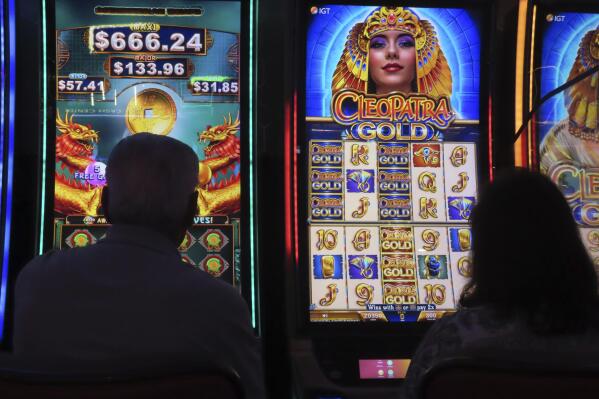
In ancient Rome, gambling was a popular pastime among citizens, despite attempts by authorities to control it. The Romans developed various games, including betting on gladiatorial contests. This early form of gambling laid the foundation for more structured gambling practices that would evolve in the coming centuries, demonstrating a cultural acceptance of games of chance as entertainment.
The Middle Ages and Its Impact
The Middle Ages saw significant changes in gambling practices, particularly in Europe. During this period, card games became increasingly popular, with the introduction of playing cards believed to have originated from China. By the 14th century, these cards made their way to Europe, where they evolved into the modern deck we recognize today.
Additionally, the concept of lotteries emerged during this time, providing governments with a means to raise funds for public projects. While the Church condemned gambling as immoral, the popularity of these games persisted, leading to a complex relationship between gambling, morality, and governance throughout the medieval era.
The Renaissance and Modernization
The Renaissance marked a pivotal point in the evolution of gambling, as it coincided with a growing interest in science and humanism. The first official casino, the Ridotto, was established in Venice in 1638, providing a regulated environment for gambling enthusiasts. This development marked a shift from informal betting to organized gambling, laying the groundwork for the modern casino industry.
As European settlers arrived in the Americas, they brought their gambling traditions with them. By the 19th century, various forms of gambling proliferated in the United States, including riverboat gambling and the establishment of state lotteries. This period also witnessed the creation of many popular casino games, such as blackjack and poker, further embedding gambling into the cultural fabric of society.
The Rise of Online Gambling
The late 20th century ushered in a technological revolution that transformed the gambling landscape. The advent of the internet in the 1990s made it possible for players to engage in gambling from the comfort of their homes. The first online casinos emerged, offering a wide range of games, and quickly gained popularity among users seeking convenience and accessibility.
As technology advanced, so too did the sophistication of online gambling platforms. Innovations such as live dealer games and mobile gaming apps enhanced user experiences, attracting a new generation of players. This digital transformation has not only changed how people gamble but also expanded the global reach of gambling, making it a more integrated part of contemporary life.

The Current State of Gambling and Future Trends
Today, gambling continues to evolve, with various jurisdictions introducing new regulations to accommodate the growing online industry. Issues such as responsible gambling and consumer protection have become central to discussions surrounding gambling practices. Additionally, the rise of esports betting reflects a shifting landscape, where traditional forms of gambling are increasingly supplemented by innovative betting options.
As the industry moves forward, it is essential to consider the balance between entertainment and the potential for addiction. The integration of technology into gambling practices will likely continue, paving the way for new experiences while challenging existing regulatory frameworks to adapt to the rapid changes.