
Understanding the psychological triggers that drive gambling behavior
The Allure of Uncertainty
The thrill of gambling often stems from the uncertainty it brings. Players are drawn to the idea of winning big, which is fueled by unpredictable outcomes. This uncertainty activates the brain’s reward system, releasing dopamine, a chemical associated with pleasure and motivation. As individuals place bets, they experience heightened excitement, which can lead to repeat engagement even in the face of losses. Enhanced gaming experiences can be found through generous bonuses, such as those available at https://pin-up-nigeria.com/bonuses/.

This unpredictability not only makes gambling enticing but also creates a cycle where the promise of a jackpot keeps players returning. With each game played, participants become conditioned to associate the rush of excitement with the possibility of winning, reinforcing their gambling behavior over time.
The Role of Social Influences
Social factors significantly impact gambling behavior. Many people begin gambling in social settings, where the camaraderie and shared experience amplify the thrill. Influences from friends, family, or online communities can encourage individuals to partake in gambling activities, often without considering the consequences. This social aspect can create a sense of belonging, further motivating continued participation.
Moreover, social media and advertisements create a culture that normalizes gambling, making it seem like a fun and rewarding pastime. As players see their peers engaging in gambling, they may feel compelled to join in, often rationalizing their choices based on social acceptance rather than personal responsibility.
The Impact of Cognitive Biases
Cognitive biases play a crucial role in shaping gambling behavior. Many gamblers fall victim to the illusion of control, where they believe their skills or strategies can influence the outcome of games, despite the inherent randomness of gambling. This bias can lead to overconfidence and an increased likelihood of taking risks.
Another common bias is the gambler’s fallacy, the belief that past events will influence future outcomes. For instance, if a player experiences several losses, they may assume a win is overdue, prompting them to gamble more. These cognitive distortions create a persistent cycle of risk-taking behavior that can be difficult to break.
Addiction and Emotional Triggers
For some, gambling can develop into an addiction, driven by emotional triggers such as stress, anxiety, or depression. Individuals may turn to gambling as a coping mechanism, seeking temporary relief from negative emotions. This reliance can lead to compulsive behavior, where the act of gambling becomes a way to escape rather than a form of entertainment.
As the individual continues to gamble, their emotional state may fluctuate, leading to a dangerous cycle of highs and lows. The initial thrill of winning can quickly turn into despair over losses, yet the desire to chase that initial high can keep players trapped in this cycle. Understanding these emotional triggers is essential for addressing gambling addiction effectively.
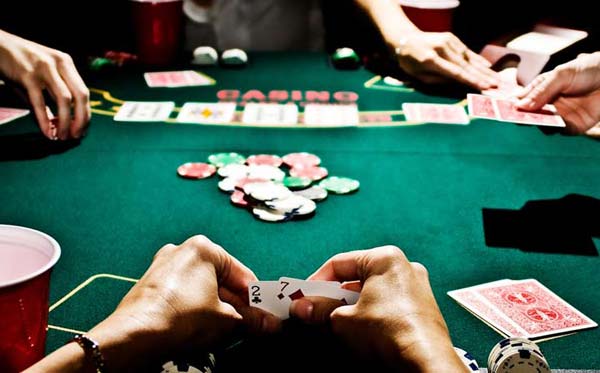
Exploring Pin-Up Casino’s Community
For those new to the world of gambling, Pin-Up Casino offers a welcoming environment with various gaming options designed to cater to diverse preferences. Players can experience thrilling games while benefiting from generous bonuses, including the first deposit bonus and free spins, enhancing their journey into online gambling. Notably, the availability of exclusive Pin Up Bonuses enriches the experience for both novices and seasoned players.
Pin-Up Casino emphasizes a community-oriented approach, where players can connect and engage with others. By providing tailored offers and promotions, the platform ensures that every participant feels valued and motivated. As players join this vibrant gaming community, they can explore the exciting realm of gambling with added incentives, making their experience both enjoyable and rewarding.